Showing posts with label read together. Show all posts

Friday, September 22, 2017

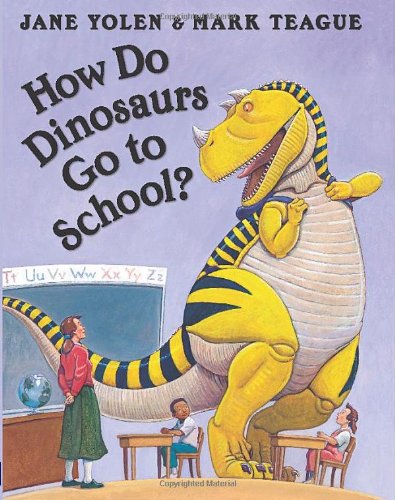
How Do Dinosaurs Go to School

FOR THE WEEKEND share this title with your child. 

How Do Dinosaurs Go to School is appropriate for school age children.

Summary:
How Do Dinosaurs Go to School from Jane Yolen and Mark Teague is a hilarious addition to the How Do Dinosaurs series. Silly rhyming text paired with bright and fun illustrations combine to create a fun read aloud masterpiece. Follow along to discuss how dinosaurs arrive to school and their behavior in and around the classroom.

Practice this Comprehension Strategy-Take a Picture Walk:
How Do Dinosaurs Go to School is a great book for taking a picture walk. Before you read, flip through the pages with your reader and ask what they're seeing on each page. Do they recognize types of dinosaurs, do they recognize things from their own schoolyard and classroom, what do they think might be happening? By engaging with the book before reading they'll develop a deeper connection to the overall experience. You'll love laughing along as dinosaurs are put into everyday situations!

Do this with your child:

After you read How Do Dinosaurs Go to School talk with your reader about their favorite parts of the story. Ask them what other things it might be silly to see a dinosaur doing. Have them draw a picture of their favorite silly dino scenario.

If you're interested in sharing How Do Dinosaurs Go to School with your child you can find it from Scholastic here


Click here to learn more about Raising A Reader and the work we do to promote early literacy and family engagement. 

Stay connected with us on FacebookTwitterInstagram and Pinterest.

Friday, August 25, 2017

Hoops

FOR THE WEEKEND share this title with your child. 

Hoops is appropriate for children of all ages.

Image result for hoops robert burleigh

Summary:
Hoops is a poetic understanding of basketball, the experience of the game, and the beauty of teamwork. Feel the rough roundness of the ball. Celebrate the soaring freedom of the dunk. Savor the moment when all eyes focus on the long three-pointer. Author Robert Burleigh and illustrator Stephen T. Johnson beautifully bring the rhythm of the basketball court to the pages of this book.

Practice this Comprehension Strategy-Making Connections:
After you read Hoops ask your reader questions about their own experiences with basketball. Have they ever played the sport, do they play on a team, do they know the rules? You can also make connections about spectating: have they ever watched a basketball game, do they have a favorite team, etc.? Do they know or play any other sports? Use this book as a jumping point to learn about more sports that they might want to know more about.

Do this with your child:

After you read Hoops try out the sport together! You can try making baskets, passing, and dribbling the ball. Head to a local outdoor court or park, play on a mini hoop of your own, and have fun!

If you're interested in sharing Hoops with your child you can find it from Houghton Mifflin Harcourt here


Click here to learn more about Raising A Reader and the work we do to promote early literacy and family engagement. 

Stay connected with us on FacebookTwitterInstagram and Pinterest.

Friday, July 28, 2017

Tilly's Staycation

FOR THE WEEKEND, share this summer title with your child. 

Tilly's Staycation is appropriate for children of all ages.


Summary:
Tilly's friends are all getting ready for their trips to Paris, to India and to go camping but Tilly is jealous that she won't have a trip on her own vacation in Tilly's Staycation. Tilly's mom assures her that they will have their own adventures and that they will be just as, if not more, exciting. A reluctant Tilly isn't convinced, until her day begins with breakfast in bed! From there, Tilly and her mom spend the day filled with adventures and excitement having a grand staycation. Author Gillian Hibbs' adorable illustrations and fun story are a reminder that you can have an amazing vacation, even if you aren't going on an exotic trip!

Practice this Comprehension Strategy-Retelling:
After you read Tilly's Staycation ask your reader to take a turn retelling the story to you. Let them hold the book, flip the pages and narrate the story. Having already read through, they'll recall major events and characters and be able to fill in with their picture clues and their own imaginations. By interacting with the book in a more involved role, they'll have a deeper engagement in the entire book sharing process.

Do this with your child:

After you read Tilly's Staycation plan a staycation of your own! Make a list with your child of things you'd like to do together. Check out cheap/free local attractions like museums, parks, beaches, etc. and have your own grand adventure without having to travel too far.  

If you're interested in sharing Tilly's Staycation with your child you can find it from Child's Play International here


Click here to learn more about Raising A Reader and the work we do to promote early literacy and family engagement. 

Stay connected with us on FacebookTwitterInstagram and Pinterest.

Friday, July 21, 2017

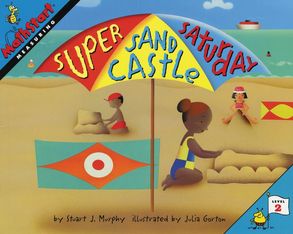
Super Sand Castle Saturday

FOR THE WEEKEND, share this summer title with your child. 

Super Sand Castle Saturday is appropriate for school age children.

Image result for super sandcastle saturday

Summary:
Super Sand Castle Saturday is a math reader which tells the story of a sand castle building competition between three friends. Larry the lifeguard will be judging sand castles to see who can build the tallest tower, deepest moat, and longest wall. As the kids build, they use their shovels and spoons to measure and compare. But they're all surprised when Larry the lifeguard brings out his measuring tape. This is a wonderful book form Stuart J. Murphy and Julia Gorton which effortlessly weaves the concept of measurement into a fun story.

Practice this Comprehension Strategy-Take a Picture Walk:
Before you read Super Sand Castle Saturday a look through the book with your reader, asking them to tell you what they see on each page. Ask about what is in the pictures, where do the kids seem to be, what are they doing, etc. Then as you read, see if the answers they came up with match what's happening in the story. By engaging with the story before reading, your child will be more interested and engaged as you read together.

Do this with your child:

After you read Super Sand Castle Saturday do some measuring with your reader. Try using different steps, baby steps and giant steps, to measure the hallway and talk about your results. Measure kitchen items like your table or counters using spoons or even bananas. Then bust out a measuring tape and measure each other! You'll be teaching your reader about the helpfulness of using standardized units of measurement in order to make more accurate comparisons, just like in the story. 

If you're interested in sharing Super Sand Castle Saturday with your child you can find it from Harper Collins Publishing here

Click here to learn more about Raising A Reader and the work we do to promote early literacy and family engagement. 

Stay connected with us on FacebookTwitterInstagram and Pinterest.

Friday, June 23, 2017

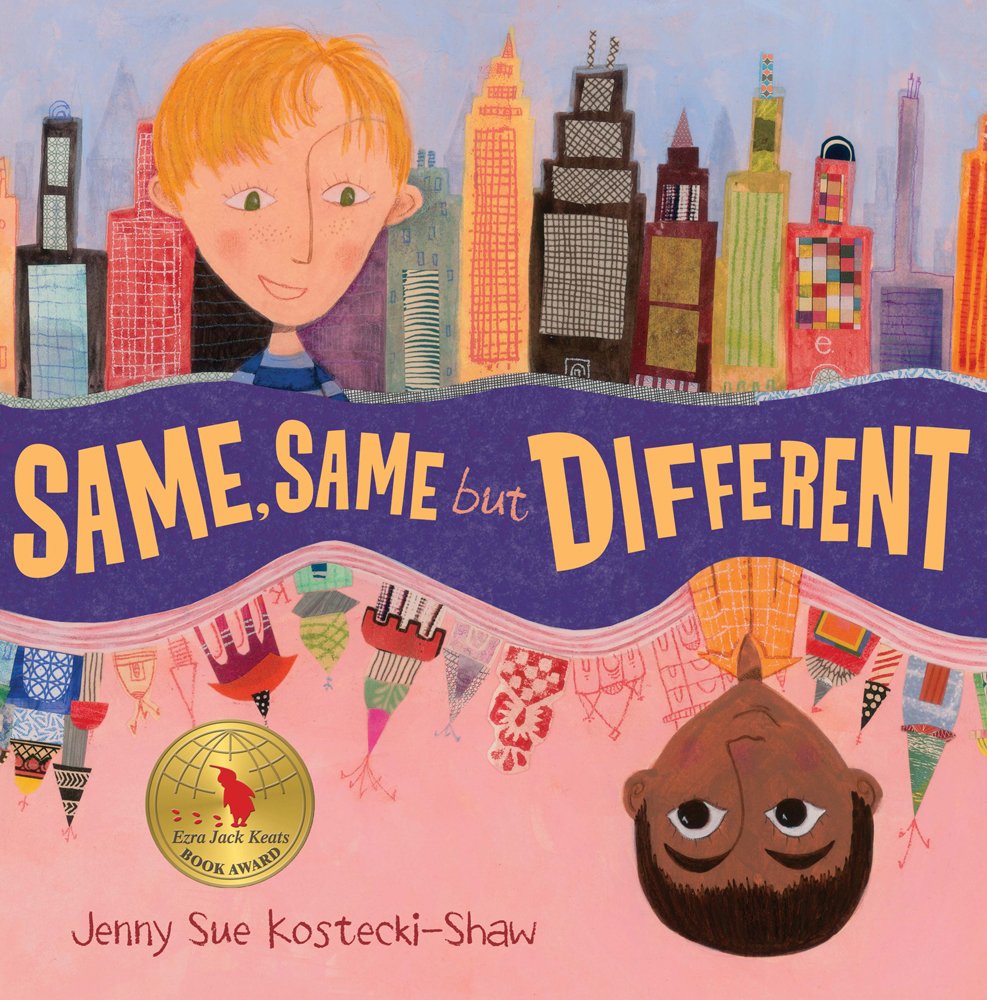
Same, Same But Different

FOR THE WEEKEND, share this title with your child. We're celebrating differences in the month of June!

Same, Same but Different is appropriate for children of all ages.

Image result for same same but different

Summary:
Same, Same but Different follows the penpal relationship between two children in different countries. Elliot lives in America and Kailash lives in India. They write each other letters and send each other pictures to learn about each others homes and lives. They find out that even though their environments look different they both have families and homes and pets and hobbies. They aren't so different after all. Author Jenny Sue Kostecki-Shaw does a marvelous job connecting two characters who are oceans apart.

Practice this Comprehension Strategy-Making Connections:
Same, Same but Different is the perfect book to practice making connections. The entire story makes connections between Elliot and Kailash. As you read, ask your child how they are both similar and different from the children in the story. Books can be both a mirror where a child can see their own lives reflected as well as a window to outside worlds and experiences and Same, Same but Different is a wonderful example of both.

Do this with your child:

After you read Same, Same but Different ask your child if they would like to write a litter to a penpal. Students of the World is a wonderful, kid friendly website which connects students and children around the globe through letter writing. Check it out here.

Image result for penpals


If you're interested in sharing Same, Same but Different with your child you can find it from Henry Holt & Co here

Click here to learn more about Raising A Reader and the work we do to promote early literacy and family engagement. 

Stay connected with us on FacebookTwitterInstagram and Pinterest.

Friday, June 16, 2017

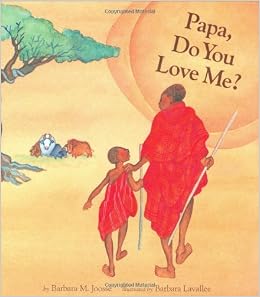
Papa, Do You Love Me?

FOR THIS FATHER'S DAY WEEKEND, share this title with your child. 

Papa, Do You Love Me? is appropriate for children of all ages.

Image result for papa do you love me


Summary:
Papa, Do You Love Me? is a beautiful book to read this Father's Day. When a young boy in Africa asks his father if he loves him, he learns that his father's love is unconditional. Beautiful watercolor images from Barbara Lavallee and lyrical text from Barbara M. Joosse capture a bond that will translate across every culture.

Practice this Comprehension Strategy-Make Connections:
As you read Papa, Do You Love Me? ask you reader questions about their own relationship with their father (or stepfather or grandfather or big brother.) Even if you are not in the desert of Africa, your father will still do things to prove that he loves you. Talk with your child about what these things are in your family. By engaging with the book in  this way, your reader will build a deeper connection to the text and have a more impactful experience all together.


Do this with your child:

After you read Papa, Do You Love Me? have fun filling out this Father's Day questionnaire with your kiddos. Have them draw a picture of their dad and then ask them the questions and fill in their answers. It will make a Father's Day gift to treasure forever! 

If you're interested in sharing Papa, Do You Love Me? with your child you can find it from Chronicle Books here


Click here to learn more about Raising A Reader and the work we do to promote early literacy and family engagement. 

Stay connected with us on FacebookTwitterInstagram and Pinterest.

Friday, June 2, 2017

A Rainbow of Friends

FOR THE WEEKEND, share this title with your child. This month we are celebrating differences!

A Rainbow of Friends is appropriate for children of all ages.


Summary:
A Rainbow of Friends from author P.K. Hallinan celebrates the differences that make all people special. Friends come in all colors and sizes. They may be funny or serious, athletes or stars, shy or outgoing. But no matter our differences we can work together and be kind kind to each other. This book is wonderful reminder to celebrate our differences together!

Practice this Comprehension Strategy-Make Connections:
After you read A Rainbow of Friends take the time to talk with your child about their own friends. Is everybody exactly the same? Do they have friends, like the ones on the book, with different talents, different abilities, different clothes? When a reader is able to engage with a story in a personal way they will be more invested in the text and the entire book sharing experience.

Do this with your child:

After you read A Rainbow of Friends have you child draw apicture of their friends all together. Ask them to include something about each friend that makes them different and special. When they're done, you can make copies of the picture for your child to share with their friends!

If you're interested in sharing A Rainbow of Friends with your child you can find it from GuidepostBooks here

Click here to learn more about Raising A Reader and the work we do to promote early literacy and family engagement. 

Stay connected with us on FacebookTwitterInstagram and Pinterest.

Friday, May 19, 2017

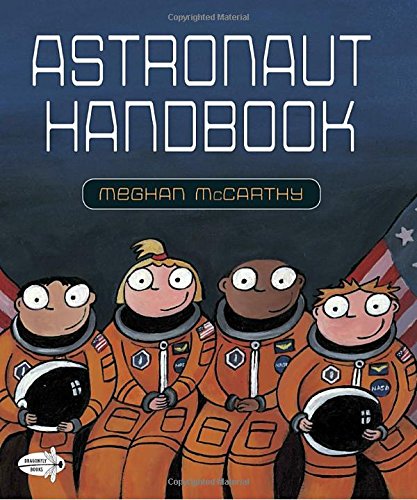
Astronaut Handbook

FOR THE WEEKEND, share this STEM title with your child. 

Astronaut Handbook is appropriate for children of all ages.


Summary:
Author Meghan McCarthy takes young readers to astronaut school in Astronaut Handbook. Your reader, no matter their interests, can find a spot in outer space. Whether you like biology or engineering or flying planes or deep sea diving, there are jobs of all kinds that need doing. But before you get to space, you must train very hard - fitness tests, survival training, teamwork and lots of studying will prepare you for your journey. McCarthy does a fantastic job conveying difficult concepts and ideas using easy to understand text and images which will spark your child's imaginations and get them excited about blasting off!

Practice this Comprehension Strategy-Summarize:
Astronaut Handbook is a great book to practice summarizing. As you read, make a point to ask questions and answer any questions your child might have. Engaging your child while reading will help them be able to better summarize the text afterward. Once you've finished, let your child hold the book and flip through the pages as they tell you about the different jobs that astronauts do, they ways they train, and all the preparation for their trip to space.

Do this with your child:

After you read Astronaut Handbook you and your reader can check out the NASA Kids' Club here. The site is filled with fun games and activities to check out with your space explorer.

If you're interested in sharing Astronaut Handbook with your child you can find it from Penguin Random House here. Please like them on Facebook and follow them on Twitter & Instagram for more inspiration.


Click here to learn more about Raising A Reader and the work we do to promote early literacy and family engagement. 

Stay connected with us on FacebookTwitterInstagram and Pinterest.

Friday, May 12, 2017

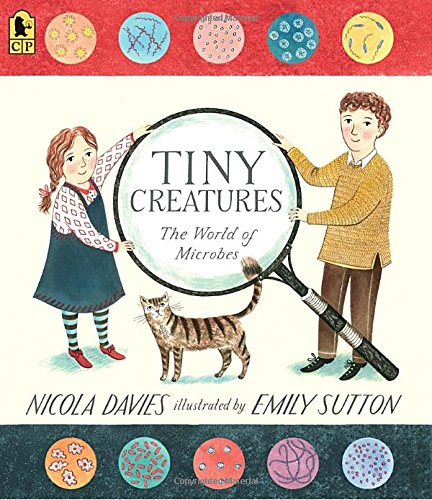
Tiny Creatures: The World of Microbes

FOR THE WEEKEND, share this STEM title with your child. 

Tiny Creatures: The World of Microbes is appropriate for school age children.


Summary:
Tiny Creatures: The World of Microbes explores a world unseen by the human eye. The text explores the size and quantity of the microbes, diving further into the many amazing things these tiny creatures accomplish. Author Nicola Davies, a zoologist, does an incredible job explaining a vast concept to little minds. Illustrator Emily Sutton's images create a visual understanding that young and old will appreciate. 

Practice this Comprehension Strategy-Making Connections:
Tiny Creatures: The World of Microbes is a wonderful book to practice making connections. After you read, talk with your child about all of the ways that microbes interact with their own environment. Do they eat yogurt? Have they washed the playground dirt off their hands? Do they enjoy watching the clouds in the sky? All of these activities, and so many more, involve the work of microbes.

Do this with your child:

After you read Tiny Creatures: The World of Microbes you and your reader can make some large scale microbes of your own. Bust out the pipe cleaners, the pom poms, the wiggle eyes and the glue and recreate some of the images from the book or create your own microbe art!
Image result for pipe cleaner microbes craft


If you're interested in sharing Tiny Creatures: The World of Microbes with your child you can find it from Candlewick Press here. Please like them on Facebook and follow them on Twitter & Instagram for more inspiration.


Click here to learn more about Raising A Reader and the work we do to promote early literacy and family engagement. 

Stay connected with us on FacebookTwitterInstagram and Pinterest.

Friday, April 7, 2017

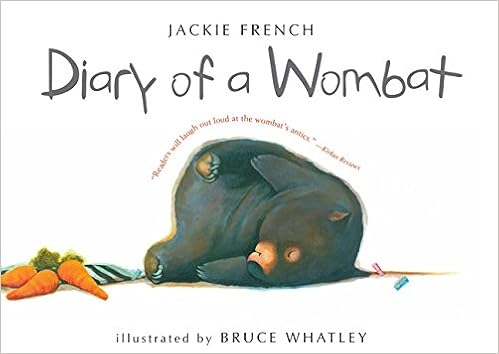
Diary of a Wombat

FOR THE WEEKEND, share this title with your child. 

Diary of a Wombat is appropriate for children of all ages.

Image result for diary of a wombat

Summary:
Diary of a Wombat by Jackie French with pictures by Bruce Whatley is a hilarious and adorable peek into the weekly routine of a wombat. Wombats are cuddly-looking, slow-moving Australian animals who spend their time eating, digging and sleeping. This particular wombat encounters a slight change in his routine when his new neighbors, a family of humans, move in next door. He quickly learns about carrots and all the ways to acquire them. Read along and enjoy the charming illustrations as this wombat learns to train his new human neighbors.

Practice this Comprehension Strategy-Retelling:
Diary of a Wombat is a wonderful story for your reader to practice retelling. After you read the story, allow your child to take a turn and tell the story for you. If they become stuck or need help, encourage them to use the illustrations to spark their memory. Even if the story isn't the same just by taking a role as the leader, your child will become more invested in the overall experience.  

Do this with your child:

After you read Diary of a Wombat encourage your child to start a diary of their own to track their own week. Or if you have a pet in the family, start a diary for them! Maybe you have a grumpy cat or an overactive pup, a slow turtle or a chirpy bird. Have your child observe the animal and if they're able, write their observations; if they aren't writing yet, have them draw a picture of the animal's activities. Have fun!


If you're interested in sharing Diary of a Wombat with your child you can find it from Houghton Mifflin Harcourt here. Please like them on Facebook and follow them on Twitter & Instagram for more inspiration.


Click here to learn more about Raising A Reader and the work we do to promote early literacy and family engagement. 

Stay connected with us on FacebookTwitterInstagram and Pinterest.