Showing posts with label kidlit. Show all posts

Friday, January 19, 2018

FOR THE WINTER WEEKEND share this title with your child. 

A Flower in the Snow is appropriate for preschool age children.
Summary:
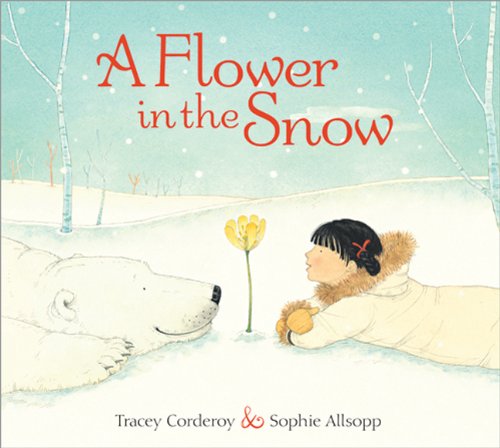
A Flower in the Snow is a charming tale about a wonderful friendship between Luna and her polar bear friend Bear. One day, Bear finds a beautiful yellow flower and gives it to Luna as a sign of his friendship. When the flower dies and Luna is sad, Bear goes on a worldwide adventure to try and find a suitable replacement. Upon his return he realizes that his friendship with Luna, and hers with his, is the best treasure in all the world. Tracey Corderoy and Sophie Allsopp create a beautifully warm story in the serene winter landscape which will enthrall readers young and old.

Practice this Comprehension Strategy-Making Inferences:
A Flower in the Snow is a lovely book to practice making inferences. An inference is an educated guess. As you read, ask your reader what they think might happen next and why. Using context clues from the pictures and the text they should be able to make educated guesses about the story and its plot. Then as you progress, you can find out together if their inferences were correct. By actively participating in the story, your reader will have a deeper connection with the entire book sharing experience.  


Do this with your child:
After you read A Flower in the Snow talk with your reader about different ways to show your friends that you care about them. Writing friends notes and drawing them pictures is a great way to do that. Ask your reader to draw a picture or write a note for their friends if they want.


If you're interested in sharing A Flower in the Snow with your child you can find it published by Sourcebooks Jabberwocky here


Stay connected with us on FacebookTwitterInstagram and Pinterest.

Friday, January 12, 2018

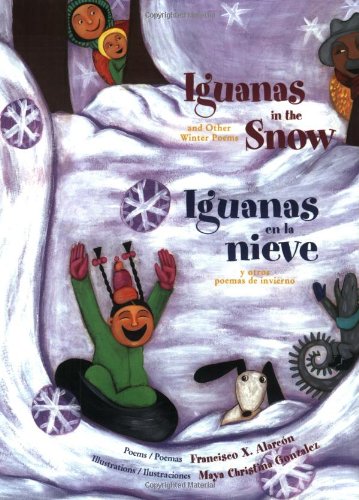
Iguanas in the Snow/Iguanas en la nieve

FOR THE WINTER WEEKEND share this title with your child. 

Iguanas in the Snow/Iguanas en la nieve is appropriate for preschool age children.

Summary:
Iguanas in the Snow/Iguanas en la nieve is a wonderful bilingual book of poems about winter featured in English and Spanish. Author Francisco X. Alarcon takes the reader through the San Francisco Bay Area in the wintertime and shares poetic stories about the City of Bridges. Illustrator Maya Christina Gonzalez's colorful images take the reader deeper into the spirited landscape.

Practice this Comprehension Strategy-Making Connections:
Iguanas in the Snow/Iguanas en la nieve is a lovely book to try making connections. Books can be both windows and mirrors, a place where the reader can see out into new worlds, or have their own experiences reflected back to them. After you read, you will be able to ask your reader if the winter in these poems looks like their own or if it is different. The poems take place across the Bay Area and into the Sierras, there is a beach and fog, and mountains and snow. Within the pages, your reader should be able to relate to pieces and experience new environments in others. 


Do this with your child:
After you read Iguanas in the Snow/Iguanas en la nieve talk with your reader about how different places have different winter experiences. Then work together to try to write your own winter poem about the winter your family experiences. You can also use this bilingual title to practice a new language. Pick out specific words, like winter and snow, and practice them in the respective Spanish version!


If you're interested in sharing Iguanas in the Snow/Iguanas en la nieve with your child you can find it published by Lee and Low Books here


Stay connected with us on FacebookTwitterInstagram and Pinterest.

Friday, January 5, 2018

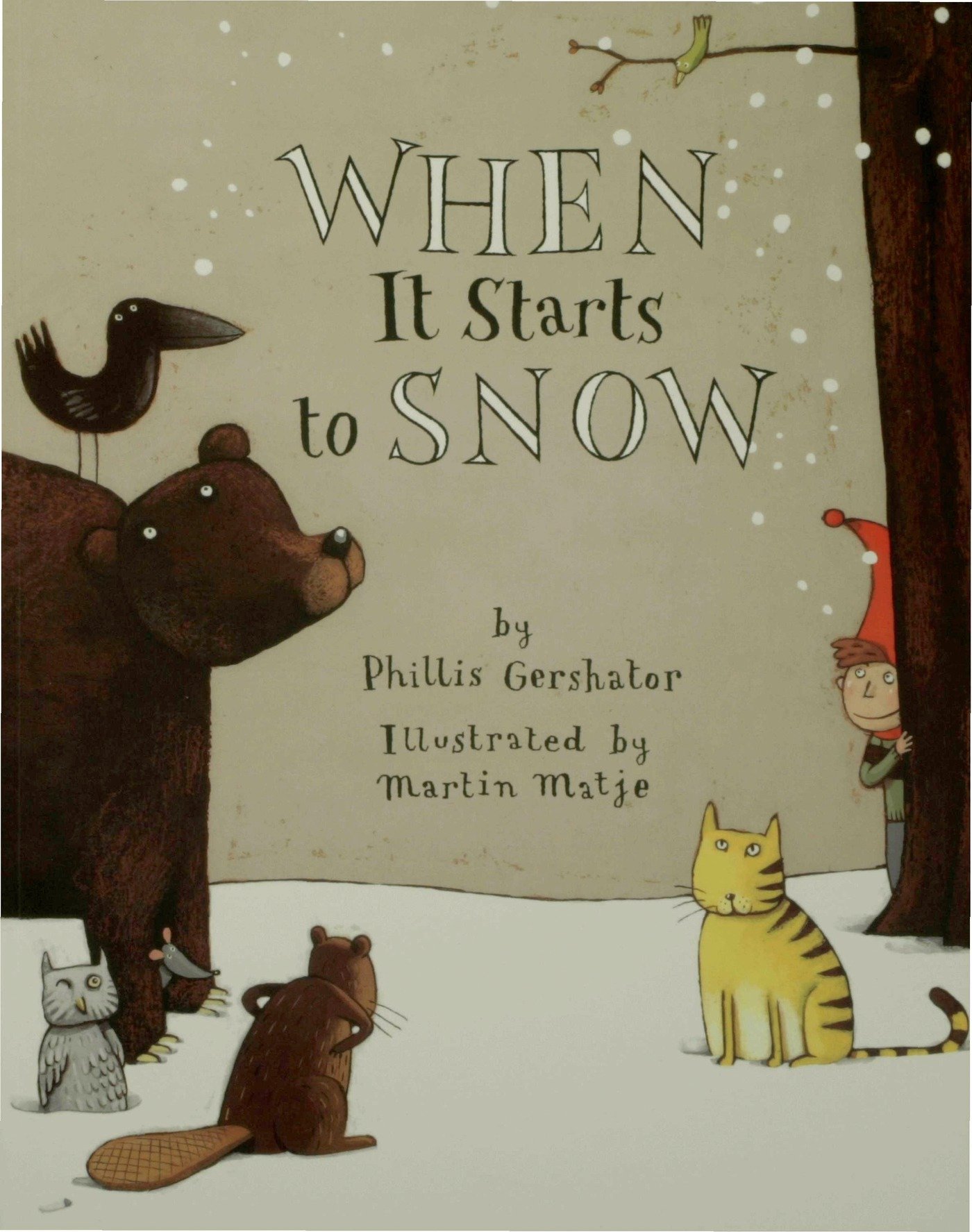
When It Starts To Snow

FOR THE WINTER WEEKEND share this title with your child. 

When It Starts To Snow is appropriate for preschool age children.

Summary:
When It Starts To Snow is the perfect book to cuddle up with during this cold winter weekend! Phillis Gershator and Martin Matje take the reader along as the snow starts to fall and ask "What if it starts to snow. What do you do? Where do you go?" Animals from mouse to bear, and frog to deer, answer that question by huddling up in their winter homes and getting cozy as the snow begins to blanket the ground. All except one, a child of course!

Practice this Comprehension Strategy-Take A Picture Walk:
When It Starts To Snow is a wonderful book to practice taking a picture walk. Before you read, have your reader flip through the pages and tell you what they see on each page. As you go through together, ask questions like: What animals do you see, where are they, what do they seem to be doing? By engaging with the story before reading the words, your reader will have a more involved experience in the entire book sharing routine.


Do this with your child:
After you read When It Starts To Snow talk with your reader about the different ways the animals get ready for the snow and winter. Talk to them about which is their favorite and then recreate that animals winter habitat in during pretend play. Maybe they'd like to pretend to curl up in a log like raccoon, or hibernate in a cave like bear. Building their winter hide-away could be a fun and cozy group activity to share with the whole family!


If you're interested in sharing When It Starts To Snow with your child you can find it published by Square Fish, an imprint of Macmillan Publishers, here


Stay connected with us on FacebookTwitterInstagram and Pinterest.

Friday, December 29, 2017

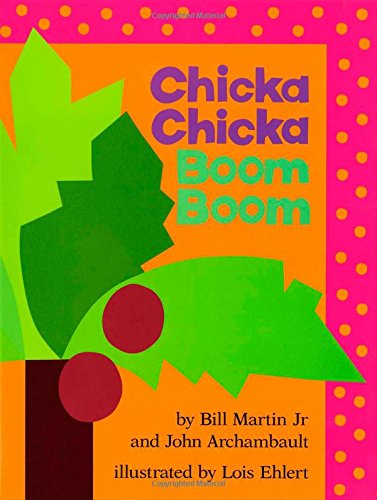
Chicka Chicka Boom Boom

FOR THE WEEKEND share this classic title with your child. 

Chicka Chicka Boom Boom is appropriate for children of all ages.

Summary:
Chicka Chicka Boom Boom is a classic rhyming alphabet story from Bill Martin Jr and John Archambault with bright and bold illustrations by Lois Ehlert. You'll be singing along with this lively alphabet rhyme which finds all of the letters racing up the coconut tree. The question is, will they all fit? Readers of all ages will delight in the rhythmic words, silly circumstance and colorful pictures which adorn this classic book.

Practice this Comprehension Strategy-Sequencing:
Chicka Chicka Boom Boom is a wonderful book to practice sequencing. Since this story features all the letters in alphabetical order, your reader will be able to help you put the story together. As you read, have your reader recite the letters with you as they climb up (and later away from) the coconut tree. Not only will they get to practice their ABC's they'll also find themselves interacting with the story and having an overall more engaging experience.


Do this with your child:
After you read Chicka Chicka Boom Boom check out the unlimited options of activities to accompany the book on Pinterest! Whether you want to cut, draw or paint your own letter coconut tree, make a Chicka Chicka Boom Boom inspired snack or play interactive games, Pinterest has what you need! You can also check out an animated YouTube video here.


If you're interested in sharing Chicka Chicka Boom Boom with your child you can find it published by Simon & Schuster here


Stay connected with us on FacebookTwitterInstagram and Pinterest.

Friday, December 22, 2017

The Little Mouse, the Red Ripe Strawberry, and the Big Hungry Bear

FOR THE WEEKEND share this classic title with your child. 

The Little Mouse, The Red Ripe Strawberry, and the Big Hungry Bear is appropriate for children of all ages.

Summary:
The Little Mouse, The Red Ripe Strawberry, and the Big Hungry Bear is a classic piece from Don and Audrey Wood. When the little mouse finds a red, juicy strawberry he is quick to learn from the narrator that a hungry bear is on the prowl. In humorous and sweet interactions with the narrator, the little mouse makes attempt after attempt to hide this strawberry that is bigger than him. Read the story to find out if he is successful!

Practice this Comprehension Strategy-Making Predictions:
The Little Mouse, The Red Ripe Strawberry, and the Big Hungry Bear is a wonderful book to practice making predictions. As you read, ask your child what the little mouse might try next to hide the strawberry. You can also ask if they think that trick will be successful or not and why. Also ask if they think there is a hungry bear at all, or could it possibly be just a very hungry narrator!?


Do this with your child:
After you read The Little Mouse, The Red Ripe Strawberry, and the Big Hungry Bear ask your reader which was their favorite way to hide the strawberry. Then ask if they have any other ideas about what the little mouse could have tried. Once they pick a favorite hiding place, have them draw their own picture to add to the story!


If you're interested in sharing The Little Mouse, The Red Ripe Strawberry, and the Big Hungry Bear with your child you can find it published by Child's Play International here


Stay connected with us on FacebookTwitterInstagram and Pinterest.

Friday, December 8, 2017

The Giving Tree

FOR THE WEEKEND share this classic title with your child. 

The Giving Tree is appropriate for children of all ages.
Image result for the giving tree cover

Summary:
The Giving Tree is a classic piece from author illustrator Shel Silverstein.   "Once there was a tree...and she loved a little boy." So begins this touching story which has been shared by hundreds of thousands of families in dozens of languages across the globe. Every day the boy would come to the tree to eat her apples, swing from her branches, or slide down her trunk...and the tree was happy. But as the boy grew older he began to want more from the tree, and the tree gave and gave and gave.

Practice this Comprehension Strategy-Take a Picture Walk:
The Giving Tree is a wonderful book to practice taking a picture walk. Before you read the story, flip through the pages asking your reader what they see on each page. Can they see the characters, the setting, the actions? Ask what they think might be happening in each picture. Then as you read, make note with your reader as to whether their thoughts about the pages were correct.


Do this with your child:
After you read The Giving Tree talk with your reader about all the ways the tree helped the boy. Ask your reader what are some things that they could do to help others. You and your reader can pick one of those topics and act on it, whether it be donating toys or clothes, visiting a senior center with flowers or desserts, or taking homemade dog treats to your local shelter.  


If you're interested in sharing The Giving Tree with your child you can find it published by Harper Collins Publishing here


Stay connected with us on FacebookTwitterInstagram and Pinterest.

Friday, November 10, 2017

Heather Has Two Mommies

FOR THE WEEKEND share this family-themed title with your child. 

Heather Has Two Mommies is appropriate for children of all ages.


Summary:
Heather Has Two Mommies is a beautiful look into a nontraditional family model that will benefit all families. Heather's favorite number is two, she has two arms, two eyes, two pets and two mommies! Her mommies love her very much. When Heather shares at school that she doesn't have a daddy, her teacher instructs the class to draw pictures of their families. While all of the pictures are different, her teacher describes what they all have in common: they are filled with love. This wonderful book from Leslea Newman and Laura Cornell does a fantastic job reminding readers the most important part of every family is that all the people in it love each other.

Practice this Comprehension Strategy-Summarize:
Heather Has Two Mommies is a great book to practice summarizing. As you read, have discussions about what you're reading. This will deepen your reader's engagement in the story and their interest in the experience overall. After you've finished reading, ask your child to tell you what the story was about. Can your reader tell you the characters, where the story took place, and what events were happening? 


Do this with your child:
After you read Heather Has Two Mommies we encourage you and your reader to draw a picture of your own family, just like all of the students in Heather's class. Go back to look and discuss how your own family differs from those shared in the story. Then find a special spot to display your new family portrait!


If you're interested in sharing Heather Has Two Mommies with your child you can find it published by Penguin Random House here


Stay connected with us on FacebookTwitterInstagram and Pinterest.

Friday, October 20, 2017

Pumpkin Soup

FOR THE WEEKEND share this Fall themed title with your child. 

Pumpkin Soup is appropriate for children of all ages.


Summary:
Pumpkin Soup from Helen Cooper is a warm and vibrant book which touches on some of the trials of friendship. Everyday Cat, Squirrel and Duck work together to make delicious pumpkin soup. Cat slices, Squirrel stirs, and Duck adds the salt. But when Duck decides he'd like to try stirring instead their routine is challenged and the trouble begins. Duck leaves in a huff but it isn't long before Cat and Squirrel start to worry. Cooper's rich illustrations and warm text perfectly capture the fall season.

Practice this Comprehension Strategy-Retelling:
Pumpkin Soup is a great book for your reader to practice retelling. As you read, ask questions so that your reader will be more engaged in the story. Then after you finish, ask your reader to take a turn and read the book to you. As they retell the story, they should recall the main story elements - character, setting, and main ideas. If their story turns out a bit differently that is alright too!


Do this with your child:

At the end of Pumpkin Soup you'll find a recipe for pumpkin soup! Pick an extra pumpkin from the pumpkin patch (or for a cheaper option, from your local grocery store.) Test out the recipe with your reader and enjoy the warmth and aroma of the season. 

If you're interested in sharing Pumpkin Soup with your child you can find it from Square Fish, an imprint of US MacMillan, here


Stay connected with us on FacebookTwitterInstagram and Pinterest.

Friday, September 22, 2017

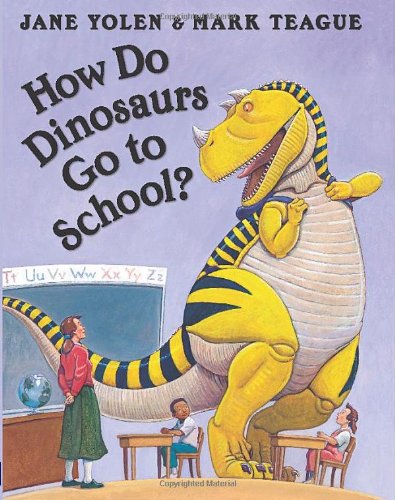
How Do Dinosaurs Go to School

FOR THE WEEKEND share this title with your child. 

How Do Dinosaurs Go to School is appropriate for school age children.


Summary:
How Do Dinosaurs Go to School from Jane Yolen and Mark Teague is a hilarious addition to the How Do Dinosaurs series. Silly rhyming text paired with bright and fun illustrations combine to create a fun read aloud masterpiece. Follow along to discuss how dinosaurs arrive to school and their behavior in and around the classroom.

Practice this Comprehension Strategy-Take a Picture Walk:
How Do Dinosaurs Go to School is a great book for taking a picture walk. Before you read, flip through the pages with your reader and ask what they're seeing on each page. Do they recognize types of dinosaurs, do they recognize things from their own schoolyard and classroom, what do they think might be happening? By engaging with the book before reading they'll develop a deeper connection to the overall experience. You'll love laughing along as dinosaurs are put into everyday situations!

Do this with your child:

After you read How Do Dinosaurs Go to School talk with your reader about their favorite parts of the story. Ask them what other things it might be silly to see a dinosaur doing. Have them draw a picture of their favorite silly dino scenario.

If you're interested in sharing How Do Dinosaurs Go to School with your child you can find it from Scholastic here


Click here to learn more about Raising A Reader and the work we do to promote early literacy and family engagement. 

Stay connected with us on FacebookTwitterInstagram and Pinterest.

Friday, September 15, 2017

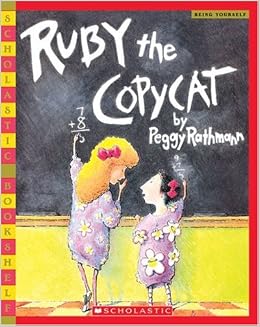
Ruby the Copycat

FOR THE WEEKEND share this title with your child. 

Ruby the Copycat is appropriate for school age children.

Image result for ruby the copycat

Summary:
Ruby the Copycat from Peggy Rathmann tells the story of Ruby in her new school. On Ruby's first day she sits behind Angela who is wearing a pretty red bow in her hair and when Ruby comes back from lunch she is wearing one too. When Angela wears a purple sweater with daisies on it, so does Ruby. Fortunately Ruby's teacher knows what to do. In a time when kids want to fit in, this story stands as an important reminder to be true to yourself!

Practice this Comprehension Strategy-Retelling:
Ruby the Copycat is a great book to practice retelling. After you read the story, let your reader take a turn to tell it to you. Can they remember what is happening on the pages? Do they recognize any words or letters? It's okay if they tell you a completely different story! The desire is to further engage them with the entire book sharing process.

Do this with your child:

After you read Ruby the Copycat talk with your reader about why Ruby may have been copying Angela. Has your reader ever done anything to try to fit in too? Then talk about what makes your reader special and unique. Do they have any fun hobbies, favorite books, special outfits? 

If you're interested in sharing  Ruby the Copycat with your child you can find it from Scholastic here


Click here to learn more about Raising A Reader and the work we do to promote early literacy and family engagement. 

Stay connected with us on FacebookTwitterInstagram and Pinterest.