Showing posts with label picture walk. Show all posts

Friday, January 5, 2018

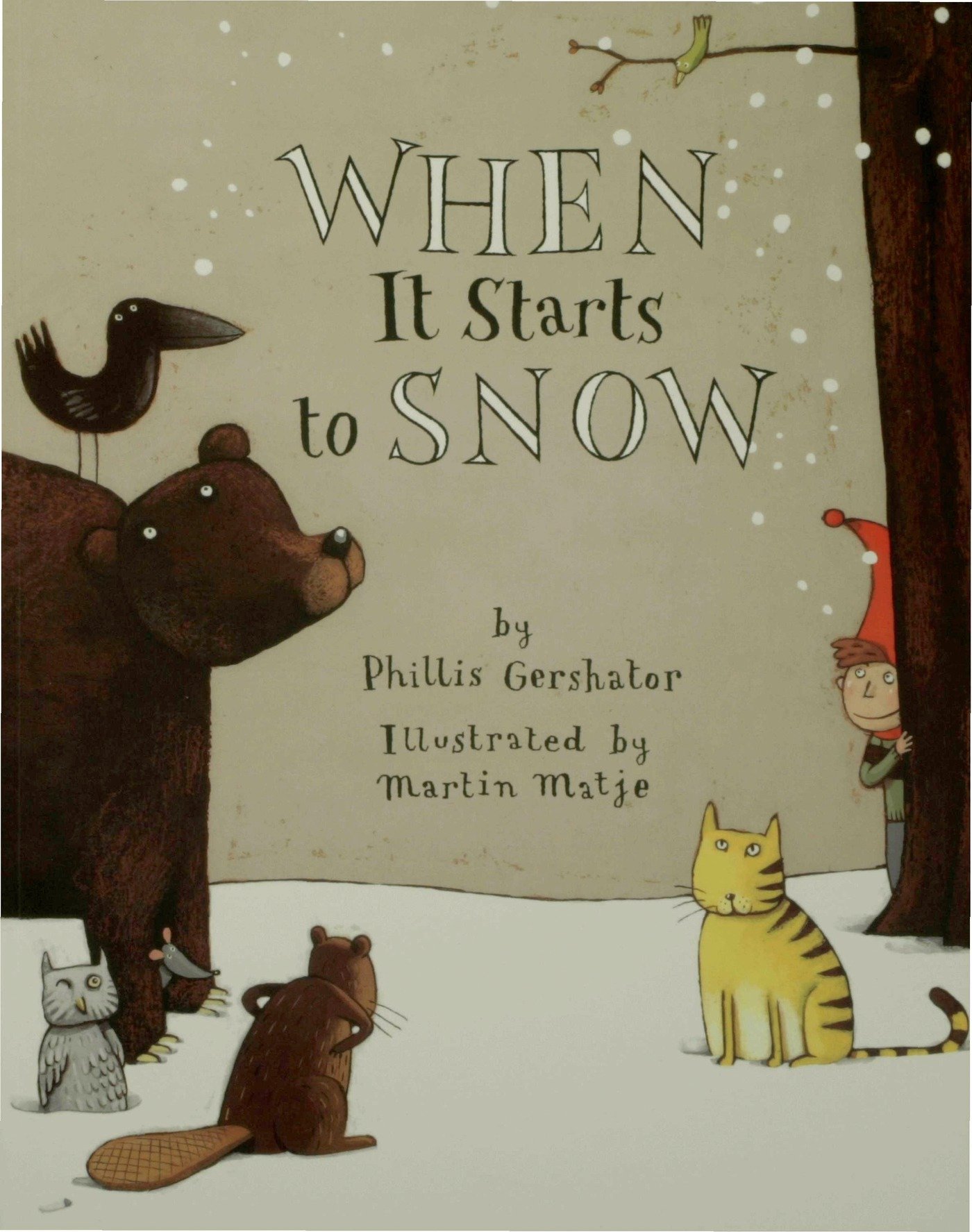
When It Starts To Snow

FOR THE WINTER WEEKEND share this title with your child. 

When It Starts To Snow is appropriate for preschool age children.
Summary:
When It Starts To Snow is the perfect book to cuddle up with during this cold winter weekend! Phillis Gershator and Martin Matje take the reader along as the snow starts to fall and ask "What if it starts to snow. What do you do? Where do you go?" Animals from mouse to bear, and frog to deer, answer that question by huddling up in their winter homes and getting cozy as the snow begins to blanket the ground. All except one, a child of course!

Practice this Comprehension Strategy-Take A Picture Walk:
When It Starts To Snow is a wonderful book to practice taking a picture walk. Before you read, have your reader flip through the pages and tell you what they see on each page. As you go through together, ask questions like: What animals do you see, where are they, what do they seem to be doing? By engaging with the story before reading the words, your reader will have a more involved experience in the entire book sharing routine.


Do this with your child:
After you read When It Starts To Snow talk with your reader about the different ways the animals get ready for the snow and winter. Talk to them about which is their favorite and then recreate that animals winter habitat in during pretend play. Maybe they'd like to pretend to curl up in a log like raccoon, or hibernate in a cave like bear. Building their winter hide-away could be a fun and cozy group activity to share with the whole family!


If you're interested in sharing When It Starts To Snow with your child you can find it published by Square Fish, an imprint of Macmillan Publishers, here


Stay connected with us on FacebookTwitterInstagram and Pinterest.

Friday, December 8, 2017

The Giving Tree

FOR THE WEEKEND share this classic title with your child. 

The Giving Tree is appropriate for children of all ages.
Image result for the giving tree cover

Summary:
The Giving Tree is a classic piece from author illustrator Shel Silverstein.   "Once there was a tree...and she loved a little boy." So begins this touching story which has been shared by hundreds of thousands of families in dozens of languages across the globe. Every day the boy would come to the tree to eat her apples, swing from her branches, or slide down her trunk...and the tree was happy. But as the boy grew older he began to want more from the tree, and the tree gave and gave and gave.

Practice this Comprehension Strategy-Take a Picture Walk:
The Giving Tree is a wonderful book to practice taking a picture walk. Before you read the story, flip through the pages asking your reader what they see on each page. Can they see the characters, the setting, the actions? Ask what they think might be happening in each picture. Then as you read, make note with your reader as to whether their thoughts about the pages were correct.


Do this with your child:
After you read The Giving Tree talk with your reader about all the ways the tree helped the boy. Ask your reader what are some things that they could do to help others. You and your reader can pick one of those topics and act on it, whether it be donating toys or clothes, visiting a senior center with flowers or desserts, or taking homemade dog treats to your local shelter.  


If you're interested in sharing The Giving Tree with your child you can find it published by Harper Collins Publishing here


Stay connected with us on FacebookTwitterInstagram and Pinterest.

Wednesday, November 22, 2017

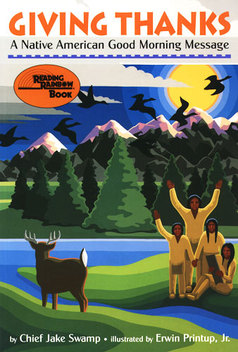
Giving Thanks: A Native American Good Morning Message

HAPPY THANKSGIVING! 

CELEBRATE THANKSGIVING and share this fun title with your child! 

Giving Thanks: A Native American Good Morning Message is appropriate for children of all ages.
Main_large


Summary:
Greet the morning in Giving Thanks: A Native American Good Morning Message written by Chief Jake Swamp and illustrated by Erwin Printup, Jr. Every morning you can find yourself thankful for so many things surrounding you. This story takes you into the Thanksgiving Address, an ancient message of peace and appreciation of Mother Earth and all her inhabitants. The simple words combined with the bright and bold illustrations are an excellent reminder that we always have something to be thankful for.

Practice this Comprehension Strategy-Picture Walk:
Use the pictures on the pages of Giving Thanks: A Native American Good Morning Message to ask your child what they think each page holds. Every page offers something new to be thankful for. Before reading the words on the page, ask your child what they see. Then open the discussion further to why we might be thankful for these things. 

Do this with your child:
Giving Thanks: A Native American Good Morning Message opens the door for a discussion about being grateful. This story shows many of the things that we have to be thankful for. Talk with your child about what you are grateful for and then ask them what they are thankful for. Have them draw a picture of some of those things, be sure to help them write what their picture is of. Use lots of colors just like in the story.

If you're interested in sharing Giving Thanks: A Native American Good Morning Message with your child you can find it from Lee and Low Books. Follow them on Twitter and like them on Facebook!

To hear Chief Jake Swamp deliver the Thanksgiving Address click here.

Friday, October 6, 2017

Amazing Autumn

FOR THE WEEKEND share this Fall themed title with your child. 

Amazing Autumn is appropriate for children of all ages.


Summary:
Amazing Autumn from Jennifer Marino Walters and John Nez is the perfect book to cozy up with as the weather turns colder and the days turn shorter. Explore the season as the leaves change color, the weather cools down and pumpkins abound. You and your reader will enjoy the interactive nature of this fun fall book!

Practice this Comprehension Strategy-Take A Picture Walk:
Amazing Autumn is a perfect book for taking a picture walk. Before you read, flip through the pages with your reader and ask them ehat they see on each page. By engaging with the book before you even begin to share the words your reader will have a more impactful experience overall.


Do this with your child:

After you read Amazing Autumn take a walk outside with your reader and bring the book along with you. See if you can spot any of the signs of fall around you. Do you see leaves changing color? Do you feel the air getting cooler? Are there children in jacksets, or pumpkins on porches? Enjoy your fall spotting walk with a cup of hot cocoa!

If you're interested in sharing Amazing Autumn with your child you can find it from Lerner Publishing Group here


Stay connected with us on FacebookTwitterInstagram and Pinterest.

Friday, September 22, 2017

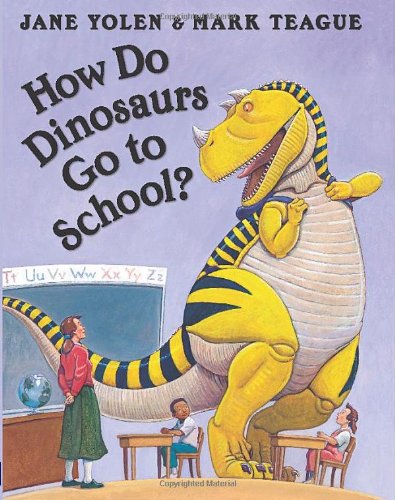
How Do Dinosaurs Go to School

FOR THE WEEKEND share this title with your child. 

How Do Dinosaurs Go to School is appropriate for school age children.


Summary:
How Do Dinosaurs Go to School from Jane Yolen and Mark Teague is a hilarious addition to the How Do Dinosaurs series. Silly rhyming text paired with bright and fun illustrations combine to create a fun read aloud masterpiece. Follow along to discuss how dinosaurs arrive to school and their behavior in and around the classroom.

Practice this Comprehension Strategy-Take a Picture Walk:
How Do Dinosaurs Go to School is a great book for taking a picture walk. Before you read, flip through the pages with your reader and ask what they're seeing on each page. Do they recognize types of dinosaurs, do they recognize things from their own schoolyard and classroom, what do they think might be happening? By engaging with the book before reading they'll develop a deeper connection to the overall experience. You'll love laughing along as dinosaurs are put into everyday situations!

Do this with your child:

After you read How Do Dinosaurs Go to School talk with your reader about their favorite parts of the story. Ask them what other things it might be silly to see a dinosaur doing. Have them draw a picture of their favorite silly dino scenario.

If you're interested in sharing How Do Dinosaurs Go to School with your child you can find it from Scholastic here


Click here to learn more about Raising A Reader and the work we do to promote early literacy and family engagement. 

Stay connected with us on FacebookTwitterInstagram and Pinterest.

Friday, September 1, 2017

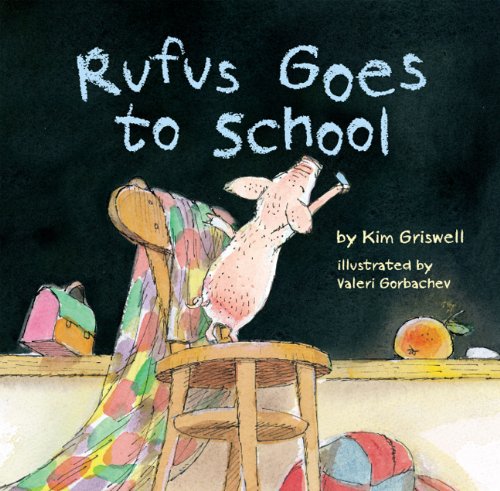
Rufus Goes to School

FOR THE WEEKEND share this title with your child. 

Rufus Goes to School is appropriate for children of all ages.


Summary:
Rufus Goes to School is a truly wonderful tale of Rufus Leeroy Williams III, a little pig who longs to go to school. Rufus is ready, he has his backpack and his favorite book, but the principal tells him "no pigs in school!" The next day Rufus tries again, this time he adds a lunch box to his collection of school goodies, but still the principal says no. A determined Rufus tries yet again, adding a blanket for naptime to his school supplies only to be met with another no from the principal. But when Rufus confesses his desire to learn to read, the principal understands. Kim T. Griswell delightful text pairs perfectly with Valeri Gorbachev's precious illustrations in this fun and charming back to school book.

Practice this Comprehension Strategy-Take a Picture Walk:
Before you read Rufus Goes to School flip through the pages with your reader. Have them tell you what they're seeing on each page, who are the characters, where are they, what are they doing. For older readers, take this a step further and ask what they think is happening, can they tell if a character is happy or sad, etc. Then as you read together, see if their thoughts and predictions they had during the picture walk were correct.

Do this with your child:

After you read Rufus Goes to School talk with your reader about being ready for school. What supplies do they have? Are they excited, eager, or nervous about the new school year? Then draw a picture together of their favorite part of the story. 

If you're interested in sharing Rusus Goes to School with your child you can find it from Sterling Publishing here


Click here to learn more about Raising A Reader and the work we do to promote early literacy and family engagement. 

Stay connected with us on FacebookTwitterInstagram and Pinterest.

Friday, August 4, 2017

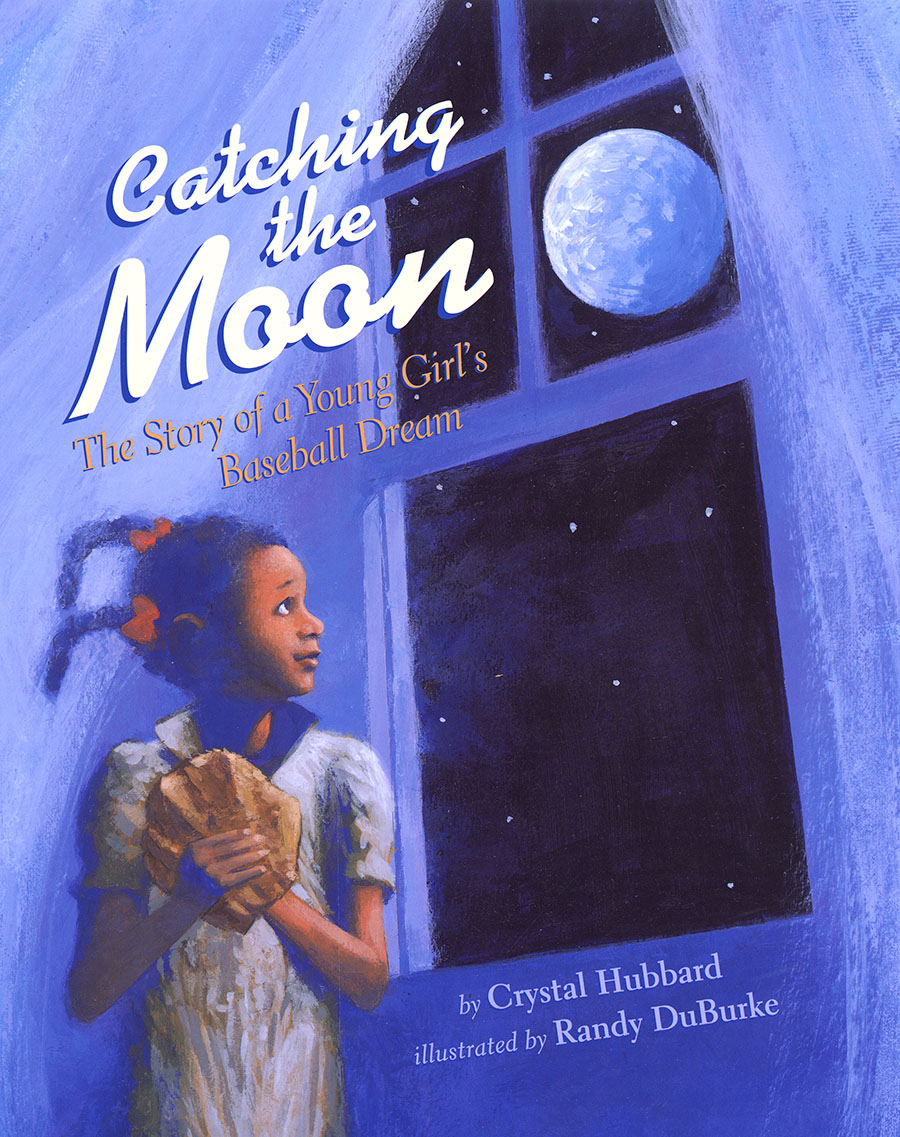
Catching the Moon: The Story of a Young Girl's Baseball Dream

FOR THE WEEKEND, share this summer title with your child. 

Catching the Moon: The Story of a Young Girl's Baseball Dream is appropriate for children of all ages.


Summary:
Catching the Moon: The Story of a Young Girl's Baseball Dream is the true story of Marcenia Lyle, a young African American girl who grew up to become the first woman to play professional baseball. Marcenia loves baseball, and she is very good at it. But everyone likes to remind her that girls aren't allowed to play baseball and that she should try playing with dolls instead. Marcenia doesn't give up on her dream, and when a baseball scout for the St. Louis Cardinals comes to recruit kids for camp, Marcenia shows him what she is capable of! Author Crystal Hubbard and illustrator Randy Duburke do justice to the amazing story of an amazing girl who grew up to become Tori Stone, the first woman to play professional baseball.

Practice this Comprehension Strategy-Take a Picture Walk:
Before you read Catching the Moon: The Story of A Young Girl's Dream to Play Baseball ask your reader to flip through the pages. As they're looking, ask them questions about what they're seeing on the pages. Where are the characters, what are they doing, and what do you think is happening are great questions to spark comprehension and engagement when sharing a story.

Do this with your child:

After you read Catching the Moon: The Story of a Young Girl's Baseball Dream talk with your child about baseball. Have they ever played, baseball, t-ball, softball. Have they watched a local team or a sibling play a game? Talk about the rules of the game then run outside and practice hitting and catching!

If you're interested in sharing Catching the Moon: The Story of a Young Girl's Baseball Dream with your child you can find it from Lee & Low here

Click here to learn more about Raising A Reader and the work we do to promote early literacy and family engagement. 

Stay connected with us on FacebookTwitterInstagram and Pinterest.

Friday, July 21, 2017

Super Sand Castle Saturday

FOR THE WEEKEND, share this summer title with your child. 

Super Sand Castle Saturday is appropriate for school age children.

Image result for super sandcastle saturday

Summary:
Super Sand Castle Saturday is a math reader which tells the story of a sand castle building competition between three friends. Larry the lifeguard will be judging sand castles to see who can build the tallest tower, deepest moat, and longest wall. As the kids build, they use their shovels and spoons to measure and compare. But they're all surprised when Larry the lifeguard brings out his measuring tape. This is a wonderful book form Stuart J. Murphy and Julia Gorton which effortlessly weaves the concept of measurement into a fun story.

Practice this Comprehension Strategy-Take a Picture Walk:
Before you read Super Sand Castle Saturday a look through the book with your reader, asking them to tell you what they see on each page. Ask about what is in the pictures, where do the kids seem to be, what are they doing, etc. Then as you read, see if the answers they came up with match what's happening in the story. By engaging with the story before reading, your child will be more interested and engaged as you read together.

Do this with your child:

After you read Super Sand Castle Saturday do some measuring with your reader. Try using different steps, baby steps and giant steps, to measure the hallway and talk about your results. Measure kitchen items like your table or counters using spoons or even bananas. Then bust out a measuring tape and measure each other! You'll be teaching your reader about the helpfulness of using standardized units of measurement in order to make more accurate comparisons, just like in the story. 

If you're interested in sharing Super Sand Castle Saturday with your child you can find it from Harper Collins Publishing here

Click here to learn more about Raising A Reader and the work we do to promote early literacy and family engagement. 

Stay connected with us on FacebookTwitterInstagram and Pinterest.

Friday, June 30, 2017

All Kinds of Friends, Even Green

FOR THE WEEKEND, share this title with your child. We are celebrating differences!

All Kinds of Friends, Even Green is appropriate for children of all ages.


Summary:
When Moses' teacher gives an assignment to write about a friend, he carefully thinks about all of his options. He has friends in his class who make him laugh and play with him on the playground, he has grown up friends like his mom and dad and teachers, he has friends who are neighbors like his babysitter Kate. When he thinks about Kate he knows what to do! Kate has two iguanas who are also his friends, and one iguana, Zaki, is missing toes. He decides to write about Zaki because just like him, Moses also has special needs. While Zaki has to figure out how to maneuver with his missing toes, Moses has to do the same thing in his wheelchair. All Kinds of Friends, Even Green does a wonderful job celebrating the differences we see in our everyday lives. Author Ellen B. Senisi captures a wonderfully diverse environment where readers can learn that living with a disability can be interesting and positive.

Practice this Comprehension Strategy-Take A Picture Walk:
All Kinds of Friends, Even Green is a delightful book to take a picture walk before reading. Flip through the pages with your reader and ask what they see on each page. This book is filled with photographs that capture a diverse classroom and neighborhood. Ask your child questions about what they're seeing on the pages, do they have any friends who look similar to the people in this book? By engaging with the book in a more interactive role your reader will be more invested in the entire book sharing experience.

Do this with your child:

After you read All Kinds of Friends, Even Green ask your child if they'd like to write or draw a project about one of their own friends just like Moses did. Let them think about which friend they might like to write about and assist them only if they ask.

If you're interested in sharing All Kinds of Friends, Even Green with your child you can find it from Woodbine House here

Click here to learn more about Raising A Reader and the work we do to promote early literacy and family engagement. 

Stay connected with us on FacebookTwitterInstagram and Pinterest.

Friday, May 26, 2017

On a Beam of Light: A Story of Albert Einstein

FOR THE WEEKEND, share this STEM title with your child. 

On a Beam of Light: A Story of Albert Einstein is appropriate for children of all ages.


Summary:
Author Jennifer Berne tells the true story of the ever curious Albert Einstein's life in On a Beam of Light: A Story of Albert Einstein. Your reader will learn about Albert from childhood and beyond as he questioned everything around him, and created ideas and thoughts to explain all of life's mysteries. Albert thought from the smallest scale, exploring atoms that make everything up, to the largest scale, researching the size and shape if the entire universe. If your reader is a curious kid, they will delight in learning about Albert Einstein, the genius.

Practice this Comprehension Strategy-Take A Picture Walk:
On a Beam of Light: A Story of Albert Einstein is a wonderful book to take a picture walk before reading. Flip through the pages with your reader and ask what they see on each page. You'll find a baby growing from a tiny newborn into a white haired gentleman. As you go through the pages, ask your child what is happening around the baby, the boy and the man. Then when you read the story relate what your reader noticed in your picture walk to the story.

Do this with your child:

After you read On a Beam of Light: A Story of Albert Einstein check out some kid friendly science experiments to spark your reader's curiosity from Architecture and Design here.

If you're interested in sharing On a Beam of Light: A Story of Albert Einstein with your child you can find it from Chronicle Books here. Please like them on Facebook and follow them on Twitter & Instagram for more inspiration.


Click here to learn more about Raising A Reader and the work we do to promote early literacy and family engagement. 

Stay connected with us on FacebookTwitterInstagram and Pinterest.