Showing posts with label early literacy. Show all posts

Friday, December 15, 2017

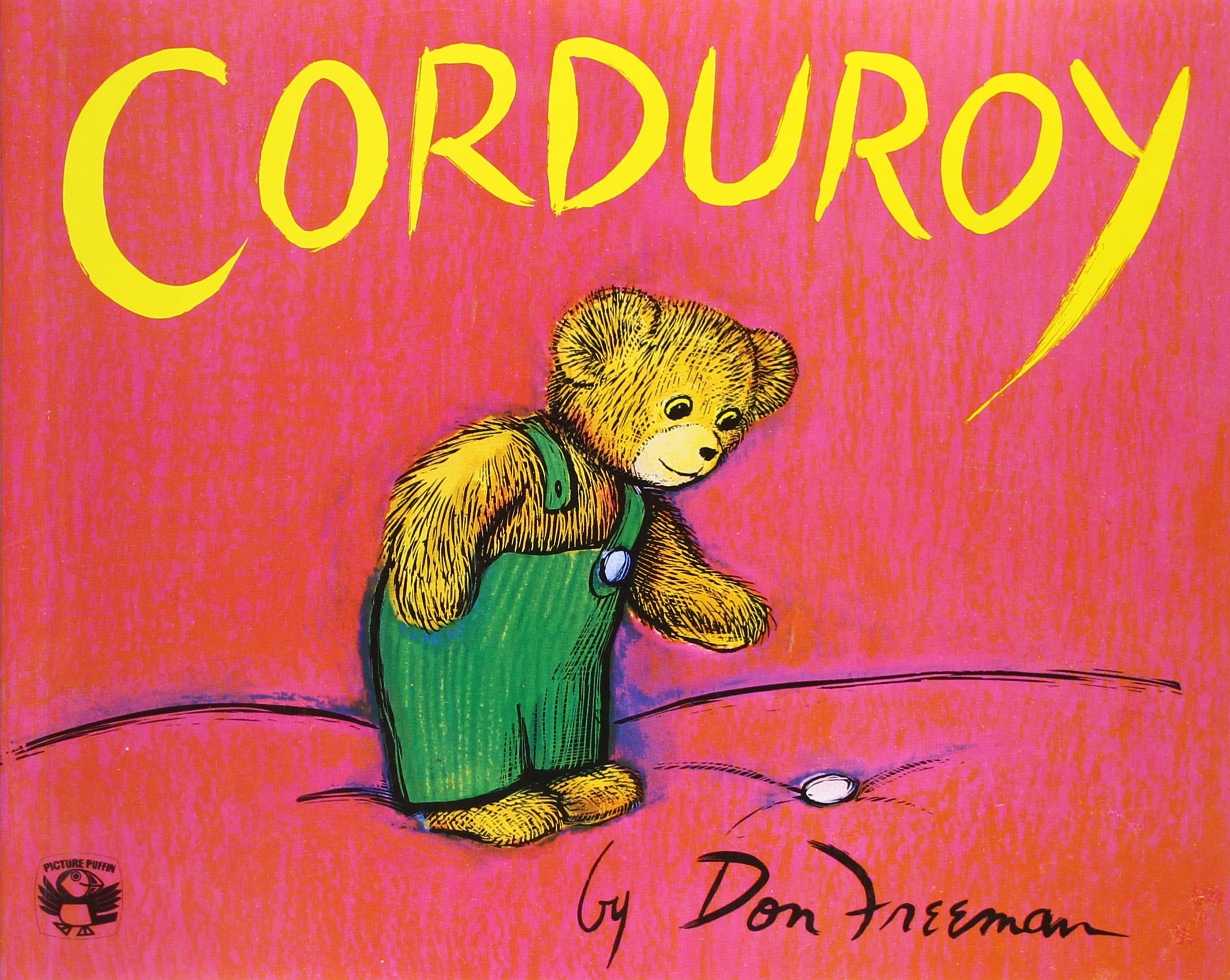
Corduroy

FOR THE WEEKEND share this classic title with your child. 

Corduroy is appropriate for children of all ages.
Summary:
Corduroy is a classic piece from author illustrator Don Freeman. Join the adventure as Corduroy the bear explores the department store where he lives after hours, looking for his lost button. He hopes that finding a button will make someone want to choose him. Follow along to see if this adventurous, sweet bear finds a button and ultimately a friend.

Practice this Comprehension Strategy-Retelling:
Corduroy is a wonderful book to practice retelling. As you read, point out major details and events, characters and settings. Then once you've finished, let your reader take a turn to retell the story to you. Allow them to flip the pages and tell the story however they see fit.


Do this with your child:
After you read Corduroy take the opportunity to play with, sort, pattern and size buttons of your own! Buttons can be great learning tools as they can easily be sorted by color or size, they can be arranged in patterns, they can be graphed and they can be stacked. All of these skills enhance both early math skills and fine motor skills!


If you're interested in sharing Corduroy with your child you can find it published by Puffin Books, an imprint of Penguin Random House, here


Stay connected with us on FacebookTwitterInstagram and Pinterest.

Friday, April 28, 2017

One Frog Sang

FOR THE WEEKEND, share this title with your child. 

One Frog Sang is appropriate for children of all ages.


Summary:
One Frog Sang is a fun and playful book about a group of frogs on a rainy spring night. What starts with one frog singing a big Ka-blu-urp and quickly turns into a chorus of ribbits, croaks and chirps as you read along and count from one to ten, and back down again. Your child will delight in the silly sounds and bright pictures from author Shirley Parenteua and illustrator Cynthia Jabar.

Practice this Comprehension Strategy-Sequencing:
One Frog Sang is a great book for your child to practice sequencing. Sequencing is putting events in order. After you read go back through the pages with your child to recap which frogs made which sounds. As you do this, ask if they remember what sound comes next and the number of frogs making that sound. 

Do this with your child:

After you read One Frog Sang take the opportunity to practice counting. You can create a graph to track the frogs, group little frog toys, draw ten frogs and cut them out, or make different colored fingerprint frogs like the ones here and count how many of each color you create.
Image result for fingerprint frogs


If you're interested in sharing One Frog Sang with your child you can find it from Candlewick Press here. Please like them on Facebook and follow them on Twitter & Instagram for more inspiration.


Click here to learn more about Raising A Reader and the work we do to promote early literacy and family engagement. 

Stay connected with us on FacebookTwitterInstagram and Pinterest.

Friday, March 10, 2017

Little Red Writing

FOR THE WEEKEND, share this title with your child. We are celebrating the arts!

Little Red Writing is appropriate for school age children.

Image result for little red writing

Summary:
Little Red Writing from Joan Holub and Melissa Sweet tells the tale of a classroom of pencils on the day they are charged with writing a story. One specific pencil, Little Red, wants to write her story about bravery since red is the color of courage. Follow along as Little Red and her basket of nouns take on the journey of writing a story and the adventures that come along with the writing process.

Practice this Comprehension Strategy-Making Connections:
As you read Little Red Writing you will quickly find that it mimics the classic Little Red Riding Hood story. Talk with your child about the similarites and differences you find between the two stories. By making these comparisons, your child will be furthering their engagement in the story and deepening the learning experience.

Do this with your child:
Little Red Writing explores the art of writing a story. Each pencil in the class decides to write a story about something different. Using the directions from Ms. 2, help your child write a story of their own. Feel free to use the writing prompts below for inspiration.


If you're interested in sharing Little Red Writing with your child you can find it from Chronicle Books here. You can like them on Facebook and follow them on Twitter & Instagram for more inspiration.


Click here to learn more about Raising A Reader and the work we do to promote early literacy and family engagement. 

Stay connected on FacebookTwitterInstagram and Pinterest.

Friday, January 27, 2017

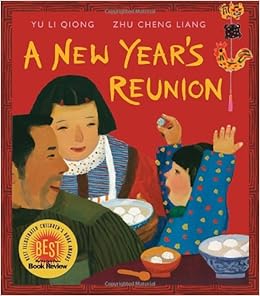
A New Year's Reunion

FOR THE WEEKEND, share this title with your child! 

A New Year's Reunion is appropriate for children of all ages.

Image result for a new year's reunion

Summary:
A New Year's Reunion from author Yu Li Qiong and illustrator Zhu Cheng Liang is an endearing story of a Chinese family celebrating the New Year with a special reunion. Little Maomao's father is a migrant worker, his job is so far away that he only comes home once a year, for the new year celebration. Maomao hasn't seen her father since last year and is excited and nervous to have him home again. They quickly form a rekindled bond and enjoy their time together. But all too soon it is time for her father to go back to work. The timeless words and beautiful illustrations are sure to resonate with every child who misses relatives when they are away--and shows how a family's love is strong enough to endure over time and distance.  

Practice this Comprehension Strategy-Making Connections:
As you read A New Year's Reunion ask your child questions about their own experiences. Do you celebrate Chinese New Year? Does your family have any special New Year's traditions? Do you have a family member that travels for work? If so, how does your child feel when that family member leaves and returns? Books can be mirrors where your child can see their own life reflected and they can be windows giving your child a glimpse into someone else's life and experiences. By relating to the text in this way, your child will be more engaged in the entire book sharing experience.

Do this with your child:
After you read A New Year's Reunion you and your child may want to join in the celebrations. You can enjoy a traditional Chinese meal like the one prepared in the story and make decorations for the event. Here's a guide to make Chinese lanterns. Have fun!


If you're interested in sharing A New Year's Reunion with your child you can find it from Candlewick Press here. You can like them on Facebook and follow them on Twitter for more inspiration.

Click here to learn more about Raising A Reader and the work we do to promote early literacy and family engagement. 

Stay connected on Facebook, Twitter, Instagram and Pinterest.

Friday, November 11, 2016

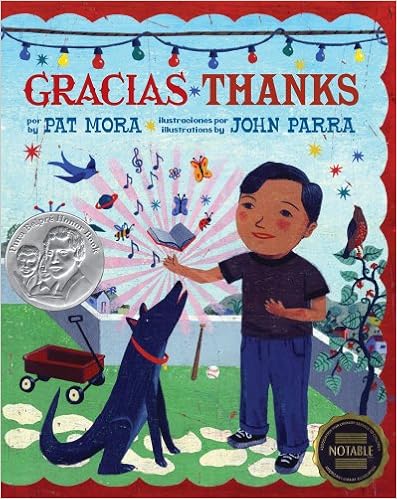
Gracias Thanks

FOR THE WEEKEND, share this title with your child! 

Gracias Thanks is appropriate for children of all ages.


Summary:
Gracias Thanks from author Pat Mora and illustrator John Parra is a wonderful reminder that we always have something to be thankful for. This bilingual book lists out the simple things in life straight from the heart of a child. From red ladybugs to a winking abuelita, you can always find something to be thankful for!

Practice this Comprehension Strategy-Making Connections:
Gracias Thanks comes at a great time, with Thanksgiving and the holiday season fast approaching, it is always important to remember the things that we are thankful for. As you read with your child, ask them if they are thankful for any of the same things this little boy is thankful for. Do they have a grandparent who gives them extra love, or do they have a sibling that makes them laugh? By connecting to the characters in the story, your child will further their engagement with the book and deepen their interest in reading on.

Do this with your child:
After reading Gracias Thanks make a list of things that your child is thankful for. It could be good practice to do this as a family, as we sometimes all need a little reminder that there is always something good. Have your child pick one of the items from the list to draw a picture of.

If you're interested in sharing Gracias Thanks with your child you can find it from Lee and Low Books here. Please like them on Facebook and follow them on Twitter for more inspiring tales.


Friday, June 17, 2016

Bread and Jam for Frances

FOR THE WEEKEND, share this fun title with your child! 

Bread and Jam for Frances is appropriate for children age 4 and up.

Summary:
Bread and Jam for Frances tells the story of Frances and her absolute favorite food. Frances loves bread and jam, she won't eat her egg and trades her lunch at school and refuses to touch her dinner so that she can have bread and jam instead. So Mother decides that if bread and jam is what Frances wants, bread and jam is what Frances will get. She is served bread and jam for every meal. But as it turns out, maybe Frances would like to have something different! Follow along with this picky eater and learn the joy in trying something new.

Practice this Comprehension Strategy-Retelling:
After you read Bread and Jam for Frances ask your child to tell you what happened in the story. Ask first for the characters and the setting. Then ask questions about the events in the story. Let them turn the pages to prompt their responses. Or you can let them flip through the pages and tell their very own story about Frances and her picky eating!

Do this with your child:
After reading Bread and Jam for Frances talk to your child about their favorite food. Ask them if they think they would also get tired of eating the same exact thing every single day. This book is a great jumping point for picky eaters. If you can, try a new meal for dinner tell your child they are just like Frances! Frances also loves jumping rope in the story. The better she eats the more she can jump. You can do an experiment with your child to see which foods help them jump the most!

If you're interested in sharing Bread and Jam for Frances with your child you can find it from Harper Collins here. Please follow them on Twitter

Friday, May 27, 2016

Curious George Visits the Library/Jorge el curioso va a la biblioteca

FOR THE WEEKEND, share this fun title with your child! 

Curious George Visits the Library/Jorge el curioso va a la biblioteca is appropriate for all ages.

Summary:
In Curious George Visits the Library/Jorge el curioso va a la biblioteca from Martha & H.A. Rey, George is lucky to arrive at the library just in time for story hour. But it’s not easy for a little monkey to sit still too long and he just has to get his hands on that dinosaur book. George quickly finds so many books he wants to read and can’t wait to take them home. As usual, George also finds himself in a bit of trouble. With help from friends and the librarians, he is able to clean up his mess. From selecting books to getting his very own library card, George’s day at the library celebrates all the fun of visiting the library and sharing books!

Practice this Comprehension Strategy-Summarizing:
After you read Curious George Visits the Library/Jorge el curioso va a la biblioteca ask your child to summarize the story. Ask about the main characters, where the story takes place, the events that happen in the story and how the story ends. If they need to, let them hold the book and look through the pages to see where Curious George is and what he is doing. By answering questions and looking through the book, your child will be recalling details and engaging with the story in a deeper way.

Do this with your child:
After reading Curious George Visits the Library/Jorge el curioso va a la biblioteca take a trip to your local library and see if you can find any books like the ones Georgre found. While you're there, make connections between your local library and the library George visits. Check out a favorite book or two and enjoy. Sign your child up for a library card if they don't already have one just like George! Since this is a bilingual text, we also encourage you to practice reading in both languages!

If you're interested in sharing Curious George Visits the Library/Jorge el curioso va a la biblioteca with your child you can find it from Houghton Mifflin Harcourt here. Please like them on Facebook and follow them on Twitter and Instagram.

Friday, May 20, 2016

The Library

FOR THE WEEKEND, share this fun title with your child! 


The Library is appropriate for all ages.


Summary:
Follow the story of Elizabeth Brown in The Library from author Sarah Stewart and illustrator David Small.Elizabeth Brown was different than the other children, she didn't want to to play with dolls, she didn't want potato chips, she wanted to read. As she grew older, her book collection grew and grew until there was not even room to get to her front door. The way she solves the problem will warm the hearts of book lovers, young and old.

Practice this Comprehension Strategy-Sequencing:
After you read The Library pull out some of the major details. You might want to choose Elizabeth Brown falls from the sky, she goes to school, buys a house, she vacuums or buys groceries, and finally she opens a library. Ask your child about the order in which these events occur in the story, Use words like "first," "then," and "next."  This will further their engagement in the story and therefore their comprehension of the text.

Do this with your child:
After reading The Library take a trip to your local library and pick out a handful of books to take home. Sign your child up for a library card if they don't already have one!

If you're interested in sharing The Library with your child you can find it from Square Fish, an imprint of Macmillan Publishers here. Please like them on Facebook and follow them on Twitter and Instagram.


Friday, May 13, 2016

Library Lion

FOR THE WEEKEND, share this fun title with your child! 

Library Lion is appropriate for ages 4 and up.


Summary:
In Library Lion from author Michelle Knudsen and illustrator Kevin Hawkes, a lion wanders into the library one fateful day and decides to stick around. Miss Merriweather, the head librarian, is very particular about the rules. But there are no rules about lions in the library. It seems a lion is well suited for a library, he quietly walks through the building, he helps children reach the books they need, and he doesn't roar (anymore.) But what happens when there's an accident and the only way he knows how to help is to break the rules?

Practice this Comprehension Strategy-Take a Picture Walk:
Before you read Library Lion walk through the pages with your child. Use the charming and expressive illustrations to ask them what they see on each page. After talking about what the pictures are, ask them to make predictions about what they think is happening. Then as you read, talk with your child about whether their predictions came true. 

Do this with your child:
After reading Library Lion ask your child what their favorite part of the story was and why. Then have them draw a picture of their favorite part. You can also take a trip to your local library to see if there are any lions helping the librarians!

If you're interested in sharing Library Lion with your child you can find it from Candlewick Press here. Please like them on Facebook and follow them on Twitter.
For more from author Michelle Knudsen check out her website. For more from illustrator Kevin Hawkes check out his website.

Friday, May 6, 2016

Maisy Goes to the Library

FOR THE WEEKEND, share this fun title with your child! 

Maisy Goes to the Library is appropriate for all ages.

Summary:
Maisy Goes to the Library from author Lucy Cousins is a charming story of Maisy's library visit. She is looking for a book about fish but can't find one. She decides to explore all the other fun things that the library has to offer, looking on the computer, making copies of pictures, and watching the fish in the aquarium. That's where she finds it, a sparkly book about fish! As she finds a quiet corner to read, her friends walk in for story time. Will Maisy ever find a nice, quiet place to enjoy her fish book?

Practice this Comprehension Strategy-Making Connections:
As you read Maisy Goes to the Library ask your child questions about the story in relation to their own life and experiences. This is a perfect story to make connections to your own local library branch. Does your library have books about tigers, or computers to work on, is there music to listen to, or an aquarium to watch the fish swimming? Has your child read any books about fish like Maisy? Find some similarities and differences between your own local library and Maisy's. The story can be a mirror where they can see similarities of their own life reflected in the pages, or a window where they can look out into other's lives and see what's different than their own. This will further their interest and engagement in the story.

Do this with your child:
After reading Maisy Goes to the Library take a trip to your local library and see if you can find any books like the one's Maisy found. Check out a favorite book or two and find your own nice, quiet place to read. Sign your child up for a library card if they don't already have one!

If you're interested in sharing Maisy Goes to the Library with your child you can find it from Candlewick Press here. Please like them on Facebook and follow them on Twitter.

Friday, April 22, 2016

Start Saving Henry

FOR THE WEEKEND, share this fun title with your child! 

Start Saving Henry is appropriate for children ages 5 and up.

Summary:
Now that Henry has turned seven, he is able to earn a weekly allowance by doing all of his chores. Every week he runs out and spends his money right away until he sees something he really wants, the Super Robot Dude. The Super Robot Dude is too expensive so Henry has to start saving his allowance. But in Start Saving Henry he learns how hard it can be to save. Continue to read and find out if Henry ever gets his new toy.

Practice this Comprehension Strategy-Retelling:
As you read Start Saving Henry ask your child questions about what is happening in the story. This will further their engagement in the story and allow them to make deeper connections. After you finish the story, have your child take a turn to read it to you. Let them lead the way, turning the pages and telling the story as they recall. It may be a different story than the one that you told, but that is okay!

Do this with your child:
Start Saving Henry provides an excellent opportunity to practice your child's financial literacy skills. Henry earns five dollars every week. You can use this story and it's pictures to practice counting by fives. 

If you're interested in sharing Start Saving Henry with your child you can find it from Viking, a division of Scholastic here. Please like them on Facebook and follow them on Twitter.

For more from author and illustrator Nancy Carlson check out her website.


Friday, April 1, 2016

How Much Is That Doggie In The Window?

FOR THE WEEKEND, share this fun title with your child! 

How Much Is That Doggie In The Window? is appropriate for children of all ages.

Summary:
How Much Is That Doggie In The Window? from Iza Trapani takes a financial spin on the classic nursery rhyme. In this version, a little boy doesn't have quite enough money to buy that doggie in the window, the one with the waggely tail. He tries to earn and save his money, but he keeps using what he has to help his family. When he goes back to say hi to the doggie, he is devastated to discover that the doggie has been purchased. Follow him home to see who bought the doggie in the window!

Practice this Comprehension Strategy-Take A Picture Walk:
Before you read How Much Is That Doggie In The Window? with your child take a picture walk and look at the illustrations on all of the pages. As you look through ask your child what they see in the pictures. Use that information to make predictions about what might happen in the story. After you read, see if their predictions were correct!

Do this with your child:
After reading How Much Is That Doggie In The Window? take another trip through the pages and try singing along with the rhythm. You can find a version of the original here to share with your child.

If you're interested in sharing How Much Is That Doggie In The Window? with your child you can find it from Charlesbridge Publishing here. Please like them on Facebook and follow them on Twitter.

For more from Iza Trapani please like her on Facebook and follow her on Twitter.

Friday, March 4, 2016

A Garden for a Groundhog

March is upon us...which means, Spring will be here to greet us soon! Gear up for some sunny days, warmer weather, and new growth with our Spring themed title recommendations this month. 

FOR THE WEEKEND, share this fun title with your child! 

A Garden for a Groundhog is appropriate for children age 3-8.

Summary:
A Garden for a Groundhog is a delightful story written and illustrated by Lorna Balian. Mr. and Mrs. O'Leary live on their small farm with their cat, goat, two chickens and a lamb. A groundhog lives there too. And, of course, the groundhog loves vegetables as much as the O'Learys. The O'Learys and their animals spend the winter as their supposed to; knitting, cooking, repairing garden tools, and coming up with a plan to make sure the groundhog doesn't eat all of their vegetables in the coming spring. The groundhog spends his winter hibernating after being nice and full from eating the O'Leary's vegetables. When spring arrives the O'Learys put their plan to keep the groundhog out of their garden in motion.

Practice this Comprehension Strategy-Retelling:
As you read A Garden for a Groundhog ask your child questions about what is happening. This will help to engage their interest in the story, and further their connection with the book. Once you have read through the book, ask your child to take a turn retelling the story to you. They will flip through the pages and use the pictures to give clues to what they are able to recall from the story. It is okay if they stray from the original story line!

Do this with your child:
The O'Learys do their best to stay busy as they wait for the arrival of spring. Talk with you children about what happens in springtime, the snow is melting, flowers are blooming, bees and butterflies are frolicking in the sunshine. Then go outside with your child to see if they can see any signs of springtime. Record your observations and if your child is interested, draw a picture of springtime.

If you're interested in sharing A Garden for a Groundhog with your child you can find it from Star Bright Books here. Please like them on Facebook and follow them on Twitter.